
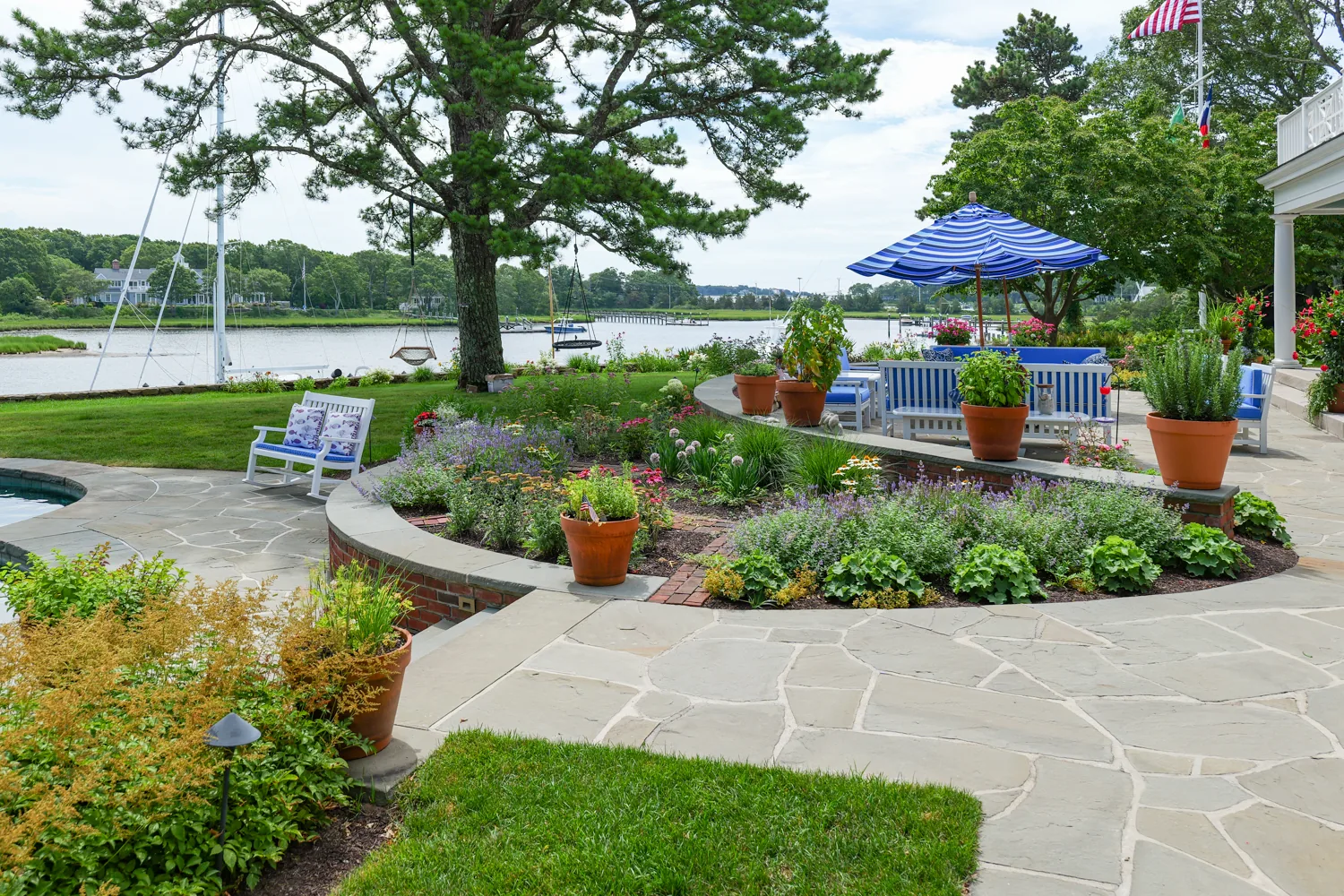
If you have spent any time around Cape Cod gardens lately, you may have heard the phrase “fine gardening” coming up more and more. It is not a new trend or a passing buzzword. It is a distinct discipline within landscaping, and one that more homeowners on the Cape are actively requesting by name.
So, what exactly is fine gardening, and why does it matter for your property?
Fine Gardening Is Not the Same as Lawn Maintenance
General landscape maintenance keeps a property running smoothly – mowing, edging, basic upkeep. It is essential work, but fairly straightforward.
Fine gardening is a different layer entirely. It is the hands-on, horticulturally driven care of ornamental gardens: perennial borders, cutting gardens, container plantings, and specialty beds. The focus isn’t on mowing. It’s on plant health, seasonal color, pruning, and the long-term beauty of a garden that actually changes and grows over time.
Lawn maintenance keeps a property tidy. Fine gardening is what makes it feel alive.
Why Cape Cod Gardens Need a Different Approach
Cape Cod presents a unique set of growing conditions. Sandy soil, salt air, and a coastal climate that shifts dramatically between seasons. What thrives here isn’t what thrives everywhere.
Fine gardening on the Cape means knowing this place specifically – which plants actually hold up here, how sandy coastal soil behaves, and why what the garden needs in May looks completely different by September. It’s knowledge you develop from working in this environment, understanding what makes it different, and learning what actually thrives on this peninsula.
What Fine Gardening Actually Looks Like
Ornamental Gardens and Seasonal Color
A well-managed perennial border is built in layers. Structure comes first, then color, then the smaller details that make a bed feel complete. That means dividing and editing perennials as they mature, succession planting so beds stay vibrant from the first peony to the last aster, and pruning ornamental shrubs with restraint rather than shearing them down. The goal is never a garden that looks finished. It is a garden that looks alive.
Cutting Gardens and Containers
Many homeowners want a garden they can bring inside. Fresh dahlias on the kitchen table. Hydrangeas in a guest room. Zinnias for a summer dinner party. A dedicated cutting garden is designed and maintained to produce blooms generously, without ever looking picked over.
Container plantings get the same level of attention. From a single urn at the front door to a full terrace of seasonal arrangements, containers should be selected, planted, and rotated so they evolve with the season instead of fading out by August.
Horticultural Stewardship Rooted in Ecology
Done well, fine gardening is also an ecological practice. It means reading a plant’s health from the soil up, catching pest pressure early, supporting beneficial insects, and reducing reliance on chemical intervention. Native and pollinator-friendly plantings can work seamlessly within an ornamental design – an ecologically minded garden doesn’t have to look any less refined.
Why This Matters Right Now
Homeowners are asking for fine gardening because they’re noticing the difference between a property that’s maintained and one that’s genuinely cared for. A mowed lawn and trimmed hedges keep things tidy. A thoughtfully managed garden with real seasonal intention is something else entirely.
It also reflects how people think about their outdoor spaces. A garden is not a backdrop. It is something to be experienced, walked through, cut from, and enjoyed throughout the year. Cape Cod homeowners who care about quality are less willing to settle for a yard that simply gets mowed when they could have something that genuinely grows.
What to Look for in a Fine Gardening Partner
Fine gardening works best as part of an ongoing relationship, not a one-off visit. Look for a team that offers a seasonal plan – spring bed prep through fall cutback – with flexibility to bring in floral design, pollinator plantings, or specialty pruning as your garden evolves. And look for real horticultural expertise. Fine gardening is a craft, and it shows in the hands of someone who understands plants at a deeper level than general upkeep requires.
A garden is never finished. It is tended. And that ongoing tending is exactly what fine gardening provides.